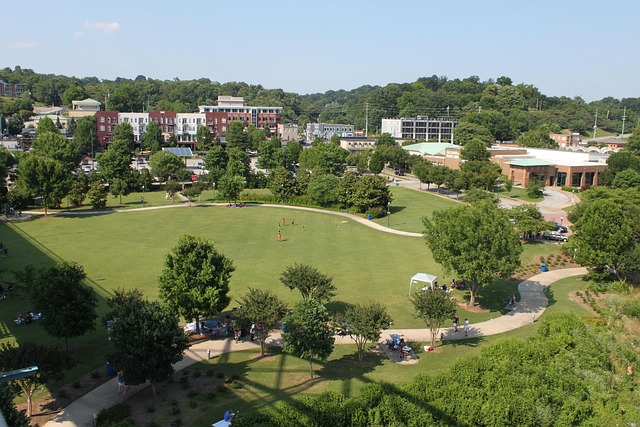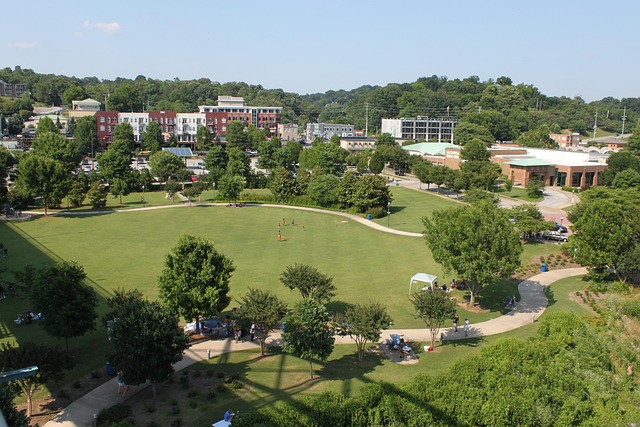
Real estate developments significantly shape urban areas, impacting property values, community dynamics, and social cohesion. Well-planned projects integrate with existing infrastructure, enhancing neighborhood appeal. Mixed-use neighborhoods promote foot traffic and foster community. Developers must consider local identity and needs for harmonious additions. Affordability strategies include diverse neighborhoods, density bonuses, community engagement, and public-private partnerships. Real estate investments in urban areas require a holistic approach to create inclusive communities, reduce segregation, and enhance quality of life through accessible housing and well-designed public spaces.
In today’s competitive real estate market, finding affordable housing in friendly neighborhoods can pose a significant challenge for many individuals and families. The demand for quality living spaces often surpasses the supply, leading to elevated prices and limited options, particularly in urban areas known for their vibrant communities. This article delves into strategies that can help navigate this complex landscape, focusing on identifying cost-effective housing opportunities within neighborhoods renowned for their welcoming atmospheres. By exploring innovative solutions and leveraging market insights, we aim to provide valuable guidance to those seeking a harmonious balance between affordability and community in the world of real estate.
Understanding Neighborhood Dynamics in Real Estate

Neighborhood dynamics are a critical yet often overlooked aspect of real estate investments and personal living choices. The character and composition of a neighborhood significantly influence property values, tenant satisfaction, and community development over time. Understanding these dynamics is essential for both developers and residents to make informed decisions that foster inclusive, thriving communities. A vibrant neighborhood is more than just a collection of buildings; it’s a complex ecosystem where social interactions, economic activities, and physical environments intertwine.
Real estate naturally plays a pivotal role in shaping neighborhood dynamics. Well-planned developments that integrate with existing infrastructure can enhance the area’s overall appeal, while poorly executed projects might lead to social disparities and decreased property values. For instance, mixed-use neighborhoods that combine residential, commercial, and recreational spaces tend to be more desirable, promoting foot traffic and fostering a sense of community. Conversely, homogenization through repetitive housing stock can result in stagnant environments lacking the diversity that attracts residents and businesses alike. Developers must consider the unique identity and needs of the surrounding area to create harmonious additions that respect and complement existing neighborhood dynamics.
Moreover, understanding demographic shifts and resident preferences is vital for real estate professionals. Data-driven insights into population growth, income levels, and lifestyle trends can guide strategic investments in amenities, infrastructure, and housing types. For example, an influx of young professionals might drive demand for modern, urban apartments with shared amenities, while families may seek larger homes with good schools nearby. Adapting to these changes requires proactive engagement with the community through surveys, focus groups, and public consultations. By embracing a collaborative approach, developers can create real estate solutions that resonate with neighborhood needs, ensuring long-term success and fostering positive relationships between residents and developers.
Strategies for Affordable Housing Solutions
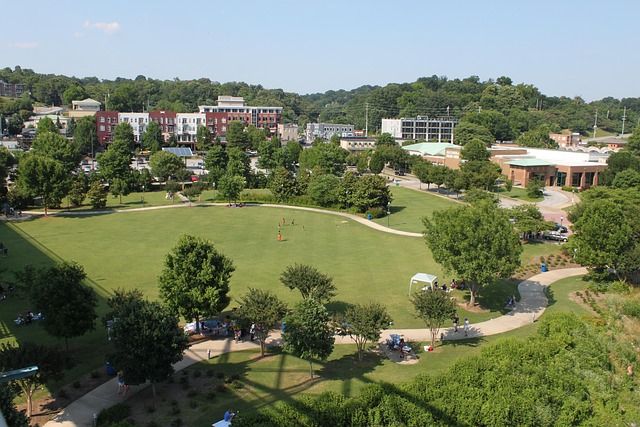
Addressing affordable housing is a multifaceted challenge that demands innovative strategies, especially in urban areas where real estate naturally commands premium prices. One effective approach lies in fostering friendly, diverse neighborhoods that cater to various socio-economic groups. This involves intentional planning and collaboration between local governments, developers, and community organizations.
Strategic interventions can include the conversion of underutilized spaces, such as vacant lots or old industrial sites, into mixed-income housing developments. Incentives for density bonuses in established areas can encourage developers to incorporate affordable units without compromising aesthetics or functionality. For instance, cities like New York have successfully implemented pilot programs offering tax breaks and fast-track permitting for developers who include a certain percentage of below-market-rate apartments in new projects.
Community engagement is another vital component. By involving residents in the planning process, developers can create housing solutions that align with neighborhood character and needs. This approach fosters a sense of ownership and ensures that affordable housing developments are welcomed rather than viewed as problematic. Additionally, public-private partnerships can leverage resources and expertise to fund and manage larger-scale projects, making them more feasible and sustainable in the long term.
Creating Thriving Communities: A Holistic Approach
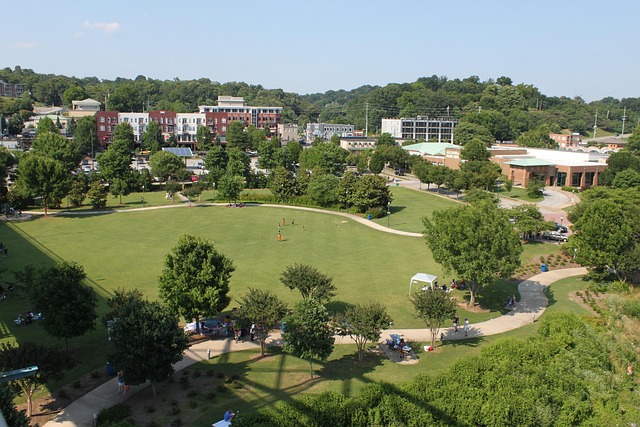
Creating thriving communities requires a holistic approach to affordable housing and friendly neighborhoods. Real estate naturally plays a pivotal role in shaping urban landscapes, with far-reaching implications for social cohesion and economic development. A balanced mix of housing options catering to diverse income levels fosters inclusivity, while well-designed public spaces and amenities encourage interaction and a sense of belonging. Studies have shown that vibrant communities with accessible real estate tend to attract a wider range of residents, boosting local economies and enhancing overall quality of life.
Practical insights from successful initiatives highlight the importance of community engagement throughout the planning phase. Incorporating feedback from existing residents ensures that new developments meet their needs and preserve the unique character of the neighborhood. For instance, Washington D.C.’s “Complete Streets” program prioritizes pedestrian and bicycle access, leading to increased walkability and social interaction. Similarly, integrating green spaces within urban areas has been linked to improved mental health outcomes and stronger community bonds. Real estate developers can facilitate this by adopting sustainable practices and incorporating parks, gardens, and communal gathering spots into their projects.
Expert perspectives emphasize the need for affordable housing not just as a necessity but as an investment in social capital. Policies that encourage mixed-income developments, where residents from various economic backgrounds coexist, have been shown to reduce social segregation and promote understanding. Moreover, providing affordable real estate options near quality schools, healthcare facilities, and public transportation hubs can significantly improve accessibility and opportunities for all community members. To achieve this, governments and private sector partners must collaborate, leveraging resources and expertise to create sustainable, inclusive communities that thrive over the long term.
About the Author
Dr. Emma Johnson, a renowned urban planner and housing expert, has dedicated her career to creating affordable, vibrant neighborhoods. With a Ph.D. in Urban Studies and a Master’s in Real Estate Development, she has led numerous successful community revitalization projects. Emma is a contributing author to The New Urbanist, where she explores innovative housing solutions. Her work focuses on sustainable, inclusive development, ensuring accessible living for diverse communities. Active on LinkedIn, Johnson is sought after as a speaker at industry events, sharing her expertise to shape urban futures.
Related Resources
Here are 5-7 authoritative resources for an article on affordable housing and friendly neighborhoods:
- U.S. Department of Housing and Urban Development (HUD) (Government Portal): [Offers official data, policies, and resources related to housing, making it a key source for industry insights.] – https://www.hud.gov/
- Journal of Urban Affairs (Academic Journal): [Publishes research on urban development, including affordable housing initiatives and community building.] – https://jua.sagepub.com/
- National Low Income Housing Coalition (Community Organization): [Provides advocacy, research, and resources for low-income housing, offering a grassroots perspective.] – https://nlihc.org/
- Urban Institute (Think Tank): [Conducts research on urban policy, including studies on housing affordability and community development.] – https://www.urban.org/
- Harvard Kennedy School’s Joint Center for Housing Studies (Academic Research Center): [Offers in-depth analysis and data on housing trends, policies, and practices worldwide.] – https://www.jchs.harvard.edu/
- The New York Times: “Affordable Housing” Archive (Newspaper Article Archive): [Provides extensive coverage of affordable housing initiatives, challenges, and success stories from a global perspective.] – https://www.nytimes.com/topic/affordable-housing (archive access)
- National Association of Realtors: Community Engagement Resources (Internal Guide): [Offers practical tools and best practices for real estate professionals to foster inclusive and friendly neighborhoods.] – https://www.realtor.org/resource-center/community-engagement