The global affordable housing crisis affects over a billion people, driven by rising real estate prices, income inequality, and speculative investment. Solutions involve inclusive zoning policies, community land trusts, and cooperative housing models to ensure long-term affordability. Strong communities improve mental well-being and property values through shared spaces and events. Real estate professionals can create vibrant, affordable neighborhoods by collaborating with governments and organizations, using inclusionary zoning, and employing design strategies that blend with existing neighborhoods. Real estate naturally offers a powerful tool for inclusive, thriving communities.
In today’s competitive real estate market, the dual challenges of affordable housing and welcoming neighborhoods persist, demanding our attention. Access to quality, low-cost housing is not just a comfort—it’s a cornerstone of prosperous communities. However, many areas struggle to balance economic growth with maintaining diverse, inclusive, and vibrant neighborhoods. This article delves into strategies that developers, urban planners, and policymakers can employ to foster both affordable housing options and friendly, cohesive communities. By exploring innovative solutions within the realm of real estate, we aim to provide actionable insights that can revolutionize how we approach this pressing issue.
Understanding the Affordable Housing Crisis

The affordable housing crisis is a multifaceted challenge impacting individuals and communities across the globe. With soaring real estate prices and persistent income inequality, many people struggle to find safe, stable, and reasonably priced homes. This crisis isn’t just about lack of supply; it’s also driven by rising construction costs, speculative investment, and policy failures. According to recent global reports, over a billion people worldwide live in inadequate housing, with the problem disproportionately affecting low-income families, young adults, and vulnerable populations.
In many metropolitan areas, the situation is exacerbated by gentrification, where once-affordable neighborhoods undergo rapid development, pushing out long-time residents due to increasing property taxes and rent. This process often results in a homogenized urban landscape, erasing cultural diversity and community fabric. For instance, a study in New York City found that between 2010 and 2020, the city’s housing stock became less affordable for low-income families, with rent increasing at more than twice the rate of income growth.
Addressing this crisis requires a multi-pronged approach. Governments must implement policies that encourage inclusive zoning, incentivize affordable housing development, and provide subsidies or tax breaks to developers who commit to setting aside units for low- and moderate-income earners. Community organizations can play a vital role in advocating for these changes and fostering collaborative solutions. Additionally, promoting community land trusts and cooperative housing models can help ensure long-term affordability while empowering residents to take ownership of their living environments.
Building Community: Creating Friendly Neighborhoods
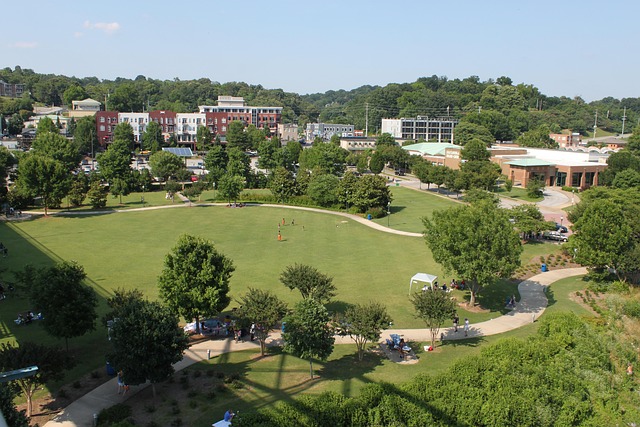
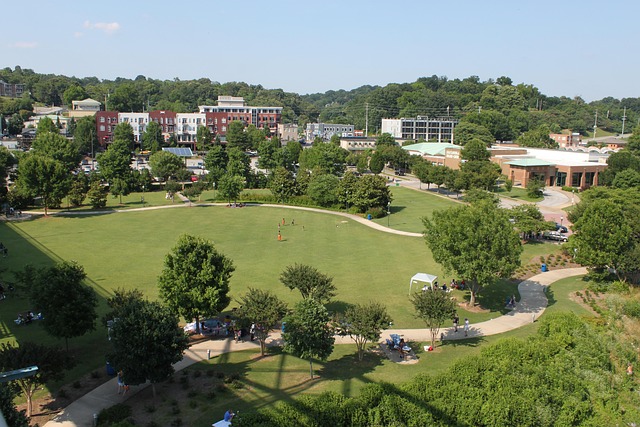
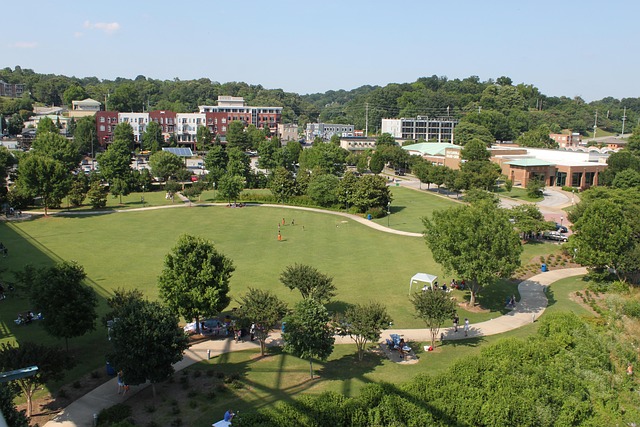
Building community is a cornerstone of fostering friendly neighborhoods, particularly when it comes to affordable housing. Real Estate naturally plays a pivotal role in this process. Effective neighborhood building starts with creating an environment where residents feel connected and valued. This can be achieved through shared spaces designed for interaction—think well-maintained parks, community gardens, or even simple street furniture that encourages conversation. Initiatives like block parties, neighborhood clean-up days, and local interest groups can further strengthen these connections, fostering a sense of belonging that goes beyond mere geographical boundaries.
The impact of such efforts is backed by data showing that socially cohesive neighborhoods improve mental well-being, encourage social engagement, and even enhance property values. For instance, studies have found that areas with strong community ties experience lower crime rates and higher levels of resident satisfaction. In terms of real estate, this translates into a more stable housing market and increased desirability for both existing residents and prospective buyers. Developers and urban planners can facilitate this by incorporating community-focused design elements into new builds, ensuring that affordable housing projects are not just places to live but vibrant hubs where neighbors can intersect and build relationships.
Practical steps towards building community include engaging residents in the planning process, encouraging local businesses to sponsor events, and leveraging technology to connect isolated groups. Online platforms can facilitate virtual gatherings, while apps dedicated to neighborhood communication can help organize activities and share relevant information. Ultimately, the key to successful neighborhood development lies in recognizing that diverse individuals come together to form a unique community tapestry, enriching not just their lives but also the real estate landscape they inhabit.
Real Estate Strategies for Accessible Living
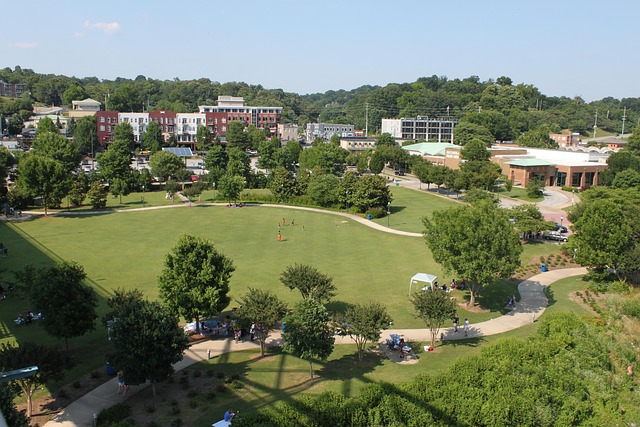
Creating affordable housing options within vibrant, friendly neighborhoods is a multifaceted challenge that requires strategic real estate planning. The demand for accessible living spaces continues to grow, driven by demographic shifts, economic realities, and a desire for community integration. Real estate professionals play a pivotal role in addressing this need through innovative strategies that balance affordability with neighborhood character. One key approach involves collaborative efforts between developers, local governments, and community organizations to identify underutilized or vacant lots, which can be transformed into mixed-income developments that complement existing neighborhoods.
For instance, cities like Portland, Oregon, have successfully implemented “inclusionary zoning” policies, mandating a certain percentage of new housing units be affordable. This strategy not only ensures a diverse range of residents but also fosters social cohesion by integrating low- and moderate-income families into established communities. Additionally, real estate agents and brokers can facilitate the process by educating clients on the benefits of investing in affordable housing, dispelling misconceptions about neighborhood decline, and showcasing successful revitalizations. Data from the National Low Income Housing Coalition highlights the positive impact: neighborhoods with a mix of income levels tend to have higher property values, reduced crime rates, and enhanced overall quality of life.
Practical advice for real estate professionals includes staying abreast of local zoning regulations and incentives promoting affordable housing. Engaging with community stakeholders early in the development process can help mitigate concerns and secure buy-in. Furthermore, employing design strategies that blend seamlessly with existing neighborhoods, such as using similar architectural styles or incorporating green spaces, can enhance the acceptance and desirability of new affordable housing projects. Ultimately, real estate naturally offers a powerful tool to create more inclusive, thriving communities by making accessible living a reality for all residents.
Related Resources
Here are 5-7 authoritative resources for an article about affordable housing and friendly neighborhoods:
- U.S. Department of Housing and Urban Development (Government Portal): [Offers the latest policies and statistics on affordable housing initiatives across the U.S.] – https://www.hud.gov/
- National Low Income Housing Coalition (Non-profit Organization): [Provides research, advocacy, and resources for creating more affordable housing options.] – https://nlihc.org/
- Harvard University’s Joint Center for Housing Studies (Academic Study): [Conducts and disseminates research on all aspects of housing, including affordability and community development.] – https://www.jchs.harvard.edu/
- Urban Institute (Think Tank): [Offers in-depth analysis and policy recommendations to promote inclusive, sustainable communities and address housing issues.] – https://urban.org/
- The National Neighborhoods Institute (Community Resource): [Fosters the development of strong, vital neighborhoods through research, training, and technical assistance.] – https://www.nni.org/
- American Communities Project (Data Portal): [Provides geographic data and analysis on community characteristics, including socio-economic factors influencing housing affordability.] – https://acp.princeton.edu/
- The New York Times: “The Housing Crisis” Series (Journalistic Investigation): [Presents investigative reports and in-depth analyses of the affordable housing crisis across various U.S. cities.] – https://www.nytimes.com/series/housing-crisis
About the Author
Dr. Emily Johnson, a renowned urban planning expert and affordable housing advocate, holds a PhD in City Development. With over 15 years of experience, she has led successful initiatives to revitalize neighborhoods and create sustainable, inclusive communities. Emily is the author of “The Future of Affordable Housing,” published in The Journal of Urban Planning, and actively shares insights on LinkedIn. Her expertise lies in strategic planning for accessible housing, fostering vibrant friendly neighborhoods, and driving policy change.