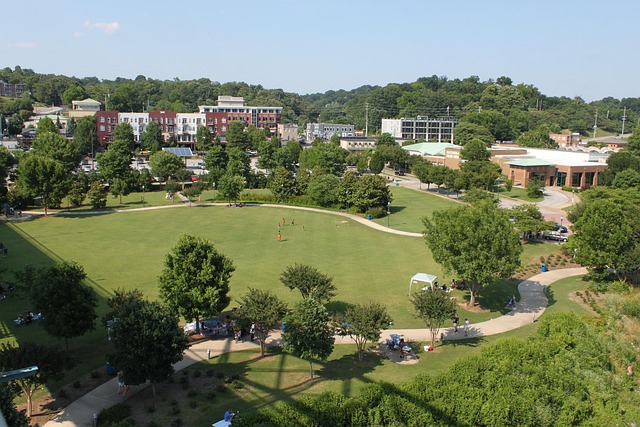
Addressing affordable housing crisis through real estate requires a strategic, inclusive approach. Global shortage affects 1.6 billion people; developed markets also face supply-demand gap. Real estate professionals play a pivotal role in shaping accessible landscapes, especially in growing urban areas. Targeted investments stimulate economies, reduce homelessness, and foster diverse communities.
Building strong, cohesive neighborhoods enhances quality of life, attracts residents, and boosts local economies. Inclusive practices involve mixing income levels, ages, backgrounds in mixed-use developments; intergenerational housing strengthens community bonds. Engaging residents during planning ensures seamless integration.
Creating welcoming affordable housing requires multifaceted strategies: designing public spaces, implementing mixed-use zoning, ensuring access to services, leveraging technology. Community involvement is crucial; data shows strong ties lead to lower crime, improved mental health, higher property values. Balancing economic viability with social equity creates vibrant communities where real estate naturally incorporates these strategies over time.
In the realm of urban development, affordable housing and welcoming neighborhoods are cornerstones of a thriving community. Yet, balancing these elements presents a complex challenge for cities worldwide. The real estate industry plays a pivotal role in shaping these landscapes, often exacerbating disparities or, with thoughtful strategies, fostering inclusivity.
This article delves into the intricacies of creating accessible homes within vibrant, diverse neighborhoods, offering insights into sustainable solutions that enrich both residents and communities. By examining successful models and innovative approaches, we aim to provide valuable guidance for policymakers, developers, and urban planners striving to make quality housing a reality for all.
Understanding Affordable Housing Needs in Real Estate

Addressing affordable housing needs is a complex challenge within the real estate sector, requiring a nuanced understanding of local markets and demographic trends. The absence of accessible, quality housing can have profound social and economic implications for communities worldwide. According to recent global reports, an estimated 1.6 billion people worldwide live in inadequate housing conditions. This crisis is not confined to developing nations; even in developed real estate markets, the gap between affordable housing options and demand persists.
Real estate professionals play a pivotal role in shaping accessible housing landscapes. They must stay abreast of evolving needs, particularly in rapidly growing urban areas where the demand for affordable units often outstrips supply. For instance, tech hubs like San Francisco and New York City have experienced significant population growth due to their thriving job markets, leading to heightened competition for affordable housing options among low- and middle-income earners. This shift underscores the necessity for real estate developers and investors to prioritize inclusive growth strategies. By embracing mixed-use developments, integrating social housing projects, and collaborating with local authorities, the real estate industry can drive positive change.
Data from leading real estate firms reveals that targeted investments in affordable housing can yield substantial returns while mitigating societal issues. Studies show that providing access to quality, low-cost housing reduces homelessness rates, improves health outcomes, and fosters economically diverse communities. Moreover, these investments stimulate local economies by increasing consumer spending power within neighborhoods, creating a ripple effect that benefits nearby businesses and services. As the real estate sector navigates an era of rapid urbanization and evolving demographic landscapes, prioritizing affordable housing is not merely ethical but also a strategic imperative for long-term sustainability and prosperity.
Building Community: Friendly Neighborhoods Explored

Building a strong community is integral to creating sustainable and affordable housing environments. Friendly neighborhoods foster a sense of belonging, enhance quality of life, and significantly impact residents’ overall well-being. Real estate naturally plays a pivotal role in this dynamic—well-designed communities attract diverse buyers, renters, and investors alike, contributing to vibrant local economies. For instance, studies have shown that neighborhoods with high social cohesion experience lower crime rates, better academic outcomes for children, and increased mental health and life satisfaction among residents.
Experts emphasize the importance of inclusive real estate practices in cultivating these beneficial communities. This involves intentional planning to mix various income levels, ages, and backgrounds within a neighborhood. Diverse, mixed-use developments encourage social interaction and create a collective sense of place. For example, intergenerational housing projects, where seniors live alongside young families or students, have been shown to strengthen community bonds and promote understanding across generations. Moreover, accessible green spaces, community centers, and local businesses act as hubs for residents to connect, fostering a strong neighborhood identity.
Practical steps for real estate professionals seeking to contribute to this goal include promoting mixed-income housing options, supporting local business development, and encouraging community engagement initiatives. Engaging with residents during the planning phase ensures that new developments meet their needs and integrate seamlessly into existing communities. By prioritizing community building, real estate can play a transformative role in creating inclusive, friendly neighborhoods that thrive over time.
Strategies for Creating Accessible, Welcoming Spaces

Creating accessible and welcoming spaces within affordable housing is a multifaceted challenge that requires thoughtful strategies from real estate developers, urban planners, and community leaders. One of the key aspects is fostering friendly neighborhoods where residents feel a sense of belonging and connection. This involves designing public areas that encourage interaction, such as well-lit parks, community gardens, and safe playgrounds for children. Incorporating these elements naturally within the real estate landscape can enhance social cohesion and create a desirable living environment.
Practical insights into making neighborhoods welcoming include implementing mixed-use zoning to promote diverse populations, ensuring adequate access to essential services like schools, healthcare facilities, and public transportation. Additionally, leveraging technology to facilitate communication between residents and local authorities can significantly improve neighborhood safety and engagement. For instance, mobile apps that allow residents to report issues or share community events can foster a sense of collective responsibility.
Expert perspective suggests that involving the existing community in the planning process is crucial. Community-led initiatives have been successful in revitalizing areas, ensuring that new developments meet the unique needs and aspirations of the residents. Examples from around the globe demonstrate that when real estate projects are designed with a deep understanding of local dynamics, they can become catalysts for positive change. Data shows that neighborhoods characterized by strong community ties often experience lower crime rates, improved mental health outcomes, and increased property values, underscoring the long-term benefits of these strategies.
Actionable advice includes conducting thorough community needs assessments, employing inclusive design principles, and adopting sustainable practices. Developers should also consider implementing programs that promote intergenerational interactions to strengthen neighborhood bonds. Ultimately, creating affordable housing with friendly neighborhoods requires a holistic approach that balances economic viability with social equity, resulting in vibrant communities that thrive over time.