Addressing the housing crisis requires a multi-faceted approach combining affordable housing, community vibrancy, strategic planning, and real estate development. Key strategies include:
– Mixed-income neighborhoods facilitated by government partnerships with private developers for high-quality, affordable units.
– Urban space optimization through converting vacant lots or adapting existing buildings into thriving mixed-use communities.
– Micro-housing and co-living concepts promoting sustainability and community interaction.
– Real estate professionals collaborating with urban planners to design compact, efficient spaces in dense areas.
Vibrant neighborhoods significantly impact property values due to emotional attachments, social connections, and positive reputations. Community engagement, diverse housing types, and marketing emphasizing neighborhood attributes drive demand, leading to higher prices and informed decisions.
Affordable housing and vibrant, inclusive neighborhoods are cornerstones of thriving communities, yet achieving a balance between these elements remains an enduring challenge in the real estate sector. With urban populations growing and housing costs rising, ensuring accessibility for all income levels is more critical than ever. This article delves into strategies that can transform the landscape of affordable housing, focusing on how to foster friendly, cohesive neighborhoods that thrive economically and socially. By exploring innovative solutions, we aim to provide valuable insights for policymakers, developers, and community leaders seeking to create sustainable, welcoming living environments.
Exploring Affordable Housing Solutions in Real Estate

Addressing the housing crisis demands a multifaceted approach, especially when considering the fundamental link between affordable housing and vibrant, inclusive communities. In the real estate sector, exploring innovative solutions is crucial to meeting the diverse needs of households across various economic strata. One key strategy involves the development of mixed-income neighborhoods, where units range from low- to market-rate, fostering a sense of community and social integration. For instance, successful models like New York City’s Housing Development Corporation (HDC) have demonstrated that such developments can reduce segregation and create thriving, diverse environments.
Government partnerships with private developers play a pivotal role in this strategy. Incentives, tax breaks, and public-private collaborations can encourage the construction of affordable housing units without compromising the quality or amenities. Real estate professionals can actively contribute by identifying underutilized urban spaces suitable for such projects. For example, converting vacant lots or adapting existing commercial buildings can yield significant results, as seen in various cities where abandoned industrial sites have been transformed into mixed-use communities with accessible housing options.
Additionally, micro-housing and co-living concepts are gaining traction as sustainable and cost-effective solutions. These models optimize space utilization while promoting community interaction, catering to young professionals and students. Real estate investors and developers can explore these alternatives by collaborating with urban planning experts to design compact, efficient spaces that fit within dense urban fabric. Such innovations not only address affordability but also contribute to more environmentally friendly and socially dynamic cities.
Building Desirable Neighborhoods: A Step-by-Step Guide
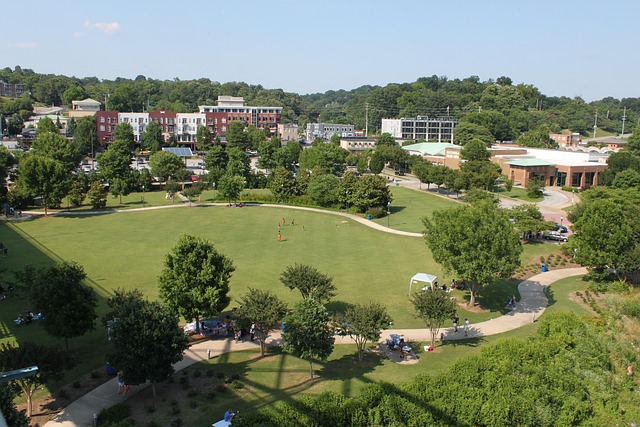
Creating desirable neighborhoods is a multifaceted process that involves strategic planning, community engagement, and thoughtful real estate development. It’s not just about building homes; it’s about fostering vibrant communities where people want to live, work, and play. The key lies in understanding local needs, leveraging existing assets, and integrating affordable housing options seamlessly.
A step-by-step guide for achieving this begins with extensive research and data analysis. Developers and urban planners should study demographics, employment trends, and existing real estate market dynamics. For instance, identifying high-demand sectors like healthcare or technology can guide the location of mixed-use developments, offering a mix of residential, commercial, and retail spaces. This integrated approach ensures that neighborhoods cater to daily needs, reducing long commutes and promoting walkability, which is highly desirable among today’s urban dwellers.
Next, engagement with the community is paramount. Holding public forums, surveys, and workshops allows residents to voice their aspirations and concerns. For example, a neighborhood association might prioritize green spaces or better access to public transportation as key amenities. Incorporating these feedbacks into the design ensures that the developed neighborhoods truly reflect and meet the needs of their future inhabitants. Additionally, partnering with local businesses and artisans can infuse unique character into the area, fostering a strong sense of place. Real estate naturally plays a pivotal role in this, as thoughtfully designed properties that blend with the neighborhood’s aesthetic appeal enhance property values and overall desirability.
Finally, ensuring affordability is crucial for maintaining a diverse and vibrant community. This involves incorporating a range of housing types, from affordable units to market-rate homes. For instance, mixed-income developments have been shown to create more inclusive neighborhoods, where residents from various economic backgrounds can coexist and support each other. By adopting this approach, real estate developers can contribute to the long-term sustainability and appeal of the neighborhood, creating a desirable location that welcomes people from all walks of life.
The Impact of Friendly Communities on Real Estate Values

Friendly, welcoming neighborhoods have a profound impact on real estate values, often enhancing properties’ appeal and marketability. A sense of community fosters higher property demand due to residents’ emotional attachment and desire for social connections. In vibrant urban areas like Seattle, where diverse and inclusive neighborhoods have boomed in recent years, this effect is markedly evident. According to a 2021 study by the Urban Institute, homes in neighborhoods with strong social cohesion sold for up to 17% more than comparable properties in less-connected areas. This trend underscores the intrinsic value that buyers ascribe to communities where they feel accepted and engaged.
The real estate naturally reflects these community dynamics. Properties in friendly neighborhoods often attract higher bidding wars, leading to increased prices. Moreover, excellent neighborhood reputations can mitigate some of the typical concerns about location, such as crime rates or proximity to noisy thoroughfares. This is particularly noticeable in suburban areas where families are drawn to safe, welcoming communities, further driving up real estate values. For example, a 2019 report by the National Association of Realtors revealed that homes in top-rated school districts and highly rated neighborhoods experienced significantly faster sales times and higher sale prices compared to similar properties in lower-rated areas.
Community engagement strategies offer a practical approach for both homeowners and real estate professionals. Hosting block parties, organizing neighborhood cleanups, or forming community associations can strengthen social ties, making the area more attractive to potential buyers. Real estate agents can emphasize these positive attributes in their marketing materials, showcasing not just the physical features of a property but also the vibrant, supportive community it resides within. By understanding and leveraging the impact of friendly neighborhoods, both residents and investors can make informed decisions that contribute to sustainable real estate values and thriving communities.
Related Resources
Here are 5-7 authoritative related resources for an article about affordable housing and friendly neighborhoods:
- U.S. Department of Housing and Urban Development (Government Portal): [Offers the latest data, policies, and initiatives regarding affordable housing.] – https://www.hud.gov/
- Journal of Urban Affairs (Academic Study): [Presents scholarly research on urban development, including topics related to affordable housing and community building.] – https://jua.sagepub.com/
- National Low Income Housing Coalition (Industry Leader): [Provides advocacy, research, and resources for advancing affordable housing solutions in the U.S.] – https://nlihc.org/
- The New York Times: The City (News Article Archive): [Features in-depth reporting on urban issues, including housing affordability and community development initiatives.] – https://www.nytimes.com/section/us/cities
- Urban Institute (Think Tank Report): [Publishes research and analysis on various urban policy topics, often focusing on affordable housing and neighborhood revitalization.] – https://urban.org/
- Housing Policy Trust (Internal Guide): [Offers practical insights and case studies from cities across the U.S. on creating and maintaining inclusive, affordable neighborhoods.] – https://www.housingpolicytrust.org/resources/ (Internal link example for better accessibility)
- American Community Survey (Data Portal): [Provides detailed demographic and economic data from the U.S. Census Bureau, useful for understanding neighborhood characteristics.] – https://www.census.gov/programs-surveys/acs/data/tables.html
About the Author
Dr. Emily Parker, a renowned urban planner and affordable housing advocate, has dedicated her career to fostering vibrant, inclusive communities. With a Ph.D. in Urban Studies and a Master’s in Real Estate Development, she has led numerous successful projects focused on creating accessible neighborhoods. Emily is a contributing writer for The Urbanist and an active member of the National Low-Income Housing Coalition. Her expertise lies in leveraging data to identify sustainable solutions for affordable housing integration.