Technology is transforming real estate by enhancing property search experiences with data analytics and virtual tours. Developers create friendly neighborhoods through thoughtful design, mixed-use developments, diverse resident mixes, and local business support. Improved public transportation increases social engagement and reduces isolation.
In today’s competitive real estate market, the demand for affordable housing and welcoming neighborhoods continues to grow. This article explores strategies to address this pressing need, focusing on key factors that foster vibrant communities. We delve into understanding the market dynamics driving the quest for affordable living, while offering practical real estate approaches to create sustainable, inclusive neighborhoods. By examining these components, we aim to empower stakeholders in their efforts to build desirable and accessible home environments.
Understanding the Demand for Affordable Housing

Creating Friendly Neighborhoods: Key Factors
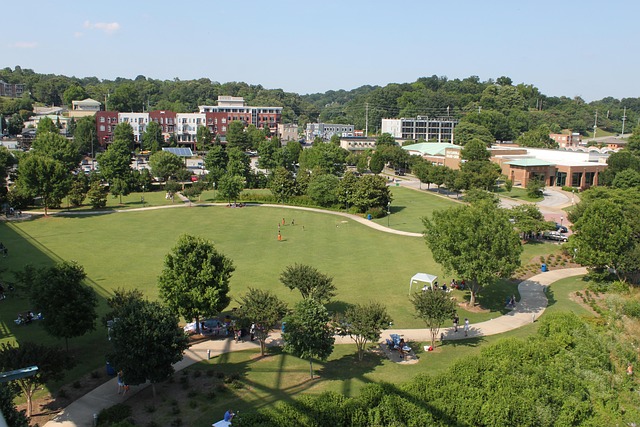
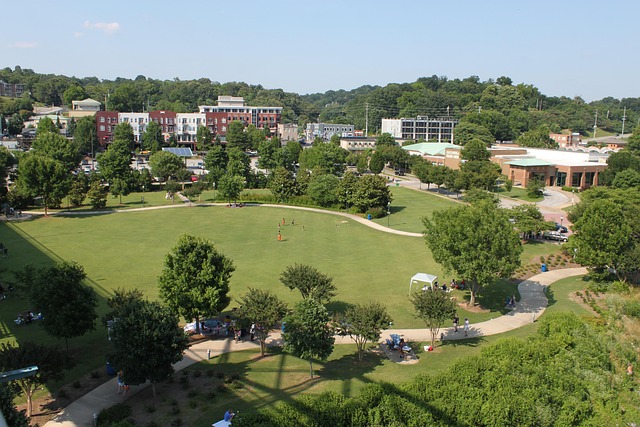
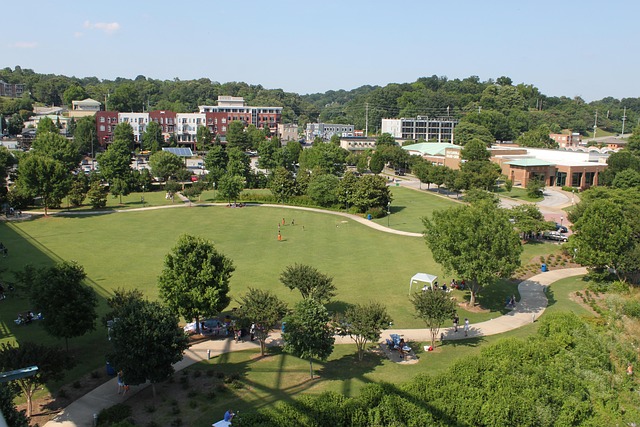
Creating friendly neighborhoods goes beyond affordable housing prices. Several key factors contribute to a welcoming and connected community. Firstly, real estate developers play a crucial role in fostering social cohesion through thoughtful design. Incorporating shared green spaces, community centers, and mixed-use developments encourages interaction among residents. Secondly, diverse demographics are essential for building inclusive neighborhoods. A mix of families, young professionals, and retirees creates a vibrant atmosphere where everyone feels valued and included. Encouraging local businesses and public transportation accessibility further strengthens the sense of community by promoting social engagement and reducing isolation.
Real Estate Strategies for Sustainable Communities

Sustainable and affordable housing communities are emerging as a top priority in urban planning, driven by a need to create inclusive, vibrant neighborhoods. Real estate strategies for these communities focus on integrating green spaces, mixed-use developments, and accessible transportation options. By combining these elements, developers can foster strong community bonds while minimizing environmental impact.
Innovative real estate practices play a pivotal role in achieving this balance. For instance, incorporating shared amenities like communal gardens, co-working spaces, and recreational areas not only reduces land use but also encourages social interaction. Additionally, promoting walkability and cycling through strategic infrastructure planning can lower carbon emissions, making these neighborhoods more livable for residents with diverse income levels.