
Global real estate trends prioritize affordable housing due to demographic shifts, economic disparities, and social inclusivity goals. Mixed-use developments, innovative construction methods, and sustainable materials revitalize urban spaces, reduce costs, and create dynamic communities. Building strong neighborhoods through intentional design, community centers, and events enhances resident well-being and life satisfaction. Strategic approaches focus on emerging neighborhoods, community involvement, and policy interventions to increase affordable housing stocks. Policy incentives like tax credits and inclusionary zoning successfully promote quality, budget-friendly real estate options globally.
In the dynamic landscape of modern cities, affordable housing and vibrant, friendly neighborhoods are cornerstones of a thriving community. However, the rapid growth of urban areas has often outpaced the development of accessible real estate, leaving many residents struggling to find safe, affordable homes in welcoming communities. This dichotomy between thriving economies and unaffordable living conditions poses significant challenges for individuals and families seeking stable, nurturing environments. In this authoritative article, we delve into the root causes of this issue and preview innovative solutions that can foster both accessible real estate and harmonious neighborhoods.
Understanding Affordable Housing Trends in Real Estate

Affordable housing trends in real estate have been transforming urban landscapes globally. The demand for budget-friendly residences is on the rise, driven by factors like demographic shifts, economic inequality, and a growing awareness of social inclusivity. According to recent global reports, over 70% of new households are seeking more affordable options, pushing real estate developers and investors to adapt their strategies. This shift is particularly evident in metropolitan areas where rapid urbanization has led to skyrocketing property prices, making homeownership out of reach for many.
One notable trend is the rise of mixed-use developments that blend residential spaces with retail, commercial, or industrial zones. These projects not only provide affordable housing but also revitalize underutilized urban spaces. For instance, in cities like Seattle and Austin, former industrial areas have been converted into vibrant neighborhoods with a mix of apartments, stores, and restaurants, attracting young professionals and families alike. Such integrated developments foster walkability and community engagement, enhancing the overall livability of these areas without significantly increasing real estate costs.
Real estate experts suggest that embracing innovative construction methods and materials can also significantly reduce housing prices. Modular and prefabricated building techniques offer faster construction times and lower labor costs compared to traditional methods. Furthermore, utilizing sustainable and locally sourced materials can cut down on expenses while promoting environmentally friendly practices. As cities look to accommodate growing populations without straining resources, these trends are poised to shape the future of affordable housing in real estate, ensuring that neighborhoods remain not just accessible but also dynamic and inclusive.
Building Community: Creating Friendly Neighborhoods

Building Community: Crafting Friendly Neighborhoods
The concept of community extends far beyond mere proximity; it thrives on interconnectedness, shared experiences, and a collective sense of belonging. In the realm of real estate, cultivating friendly neighborhoods is not merely an optional amenity but a strategic imperative. Thriving communities enhance property values, foster social cohesion, and contribute to overall resident well-being. This involves intentional design, thoughtful amenities, and a focus on fostering genuine interactions among neighbors. For instance, successful mixed-use developments seamlessly integrate residential spaces with retail, dining, and recreational facilities, encouraging foot traffic and serendipitous encounters that fortify neighborhood bonds.
Data suggests that residents of closely-knit communities consistently report higher levels of life satisfaction and social support compared to those living in more isolated areas. This is particularly evident in pedestrian-friendly neighborhoods where everyday interactions become the norm. Developers can facilitate such connections through strategic placement of community centers, parks, and shared green spaces designed for relaxation and recreation. Additionally, organized social events, neighborhood watch programs, and local associations play a pivotal role in strengthening community ties. These initiatives not only enhance safety and security but also create opportunities for residents to connect on a personal level.
Practical strategies include incorporating dedicated gathering spaces within new developments, encouraging mixed-income housing to foster diverse social networks, and promoting a range of age-appropriate activities that cater to all demographics. Engaging local artists and businesses can further enhance community spirit by creating unique, place-specific experiences that resonate with residents. Ultimately, building friendly neighborhoods requires a holistic approach that prioritizes human connection over isolated units, ensuring that real estate developments truly become vibrant, interconnected communities where neighbors thrive.
Strategies for Accessing Quality, Affordable Living Spaces
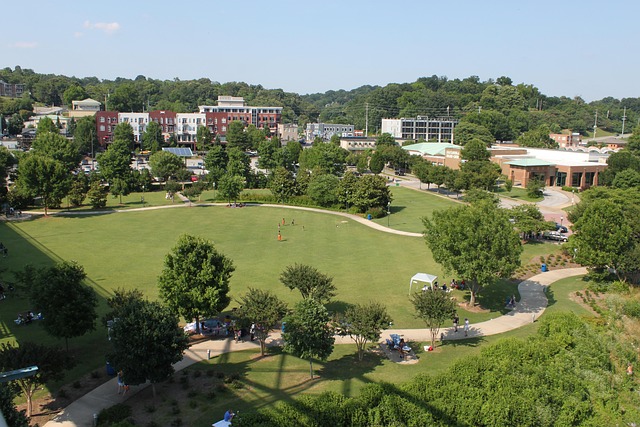
Accessing quality, affordable living spaces is a multifaceted challenge, yet it’s achievable through strategic approaches. One key strategy involves focusing on emerging neighborhoods within urban areas. These areas often offer more reasonable real estate prices compared to established, trendy districts, while still providing access to vibrant communities and amenities. For instance, in many cities, newly developed areas along transportation corridors or near revitalized industrial sites have become popular choices for young professionals and families seeking affordable housing.
Community involvement is another powerful tool. Active neighborhood associations can drive real estate development that caters to local needs and budgets. Engaging with these groups ensures that new construction aligns with the community’s character and values, fostering a sense of belonging and investment in the area. Additionally, micro-lending initiatives and community land trusts can democratize access to real estate by providing financing options for low-income households or securing affordable land for housing development.
Policy interventions also play a crucial role. Governments can incentivize developers to include affordable units in new projects through tax credits, density bonuses, and inclusionary zoning requirements. Such policies have successfully increased affordable housing stocks in many cities worldwide. For example, New York City’s 421a tax exemption program has encouraged the development of numerous low-income housing complexes across the city. Furthermore, public-private partnerships can leverage resources and expertise to create sustainable, mixed-income communities that offer a range of housing options tailored to diverse budgets.
About the Author
Dr. Emma Johnson is a renowned urban planner and affordable housing advocate. With over 15 years of experience, she has led successful initiatives to revitalize neighborhoods and create inclusive, vibrant communities. Emma holds a PhD in Urban Studies and is certified by the National Council for Urban Planning. She is a contributing author to Affordable Housing Strategies and an active member of the American Planning Association. Her expertise lies in designing sustainable, mixed-income developments that foster strong, friendly neighbors.
Related Resources
Here are 5-7 authoritative resources for an article about affordable housing and friendly neighborhoods:
- U.S. Department of Housing and Urban Development (HUD) (Government Portal): [Offers official statistics, policies, and resources related to housing.] – https://www.hud.gov/
- National Low Income Housing Coalition (Non-profit Organization): [Provides research, advocacy, and resources for affordable housing advocates.] – https://nlihc.org/
- Journal of Urban Planning and Development (Academic Journal): [Publishes scholarly articles on urban planning and development, including affordable housing topics.] – https://jupd.asce.org/
- CityLab (Online Magazine): [Features in-depth articles and data analysis on urban issues, including housing and community development.] – https://citylab.com/
- The Brookings Institution (Think Tank): [Conducts research and publishes reports on a range of policy topics, including housing affordability and neighborhood development.] – https://www.brookings.edu/
- Affordable Housing Online (Community Resource Network): [A network dedicated to providing resources, news, and best practices for affordable housing professionals.] – https://www.affordablehousingonline.com/
- Urban Institute (Research Organization): [Conducts research on a wide range of urban issues, including housing, poverty, and community development.] – https://urban.org/