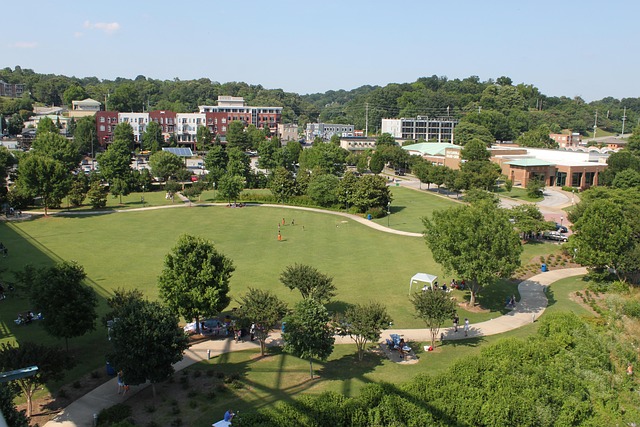
In today's world, real estate professionals recognize the growing demand for central locations beyond traditional urban centers, focusing on accessibility, amenities, and community. With remote work trends, city dwellers seek a balance between urban convenience and suburban tranquility, driving growth in specific areas. Experts emphasize the value of central locations offering easy transportation, vibrant entertainment, and top education, leading developers to create mixed-use neighborhoods. Identifying prime spots requires balancing accessibility and demographic factors like population density, age, and income. While these locations enhance accessibility and economic growth, they face challenges such as high demand, limited space, and infrastructure strain, necessitating strategic urban planning for sustainable development.
In today’s interconnected world, the central location between major cities has become a sought-after commodity in real estate. Understanding the demand for these strategic spots is key to unlocking significant growth opportunities. This article delves into the factors driving this trend, exploring both the benefits and challenges of proximity to urban centers. By analyzing key real estate indicators, we provide insights into identifying prime spots, catering to professionals and businesses seeking a competitive edge.
Understanding the Demand for Central Locations

In today’s interconnected world, understanding the demand for central locations is paramount in the real estate sector. The concept of a ‘central location’ has evolved beyond mere proximity to urban centers; it now encompasses accessibility, amenities, and a sense of community. With the rise of remote work and digital connectivity, city dwellers are increasingly seeking places that offer a blend of urban convenience and suburban tranquility—a delicate balance that attracts both residents and businesses. This shift in preference has fueled the growth of certain areas, making them highly desirable for investors and potential homebuyers alike.
Real estate professionals recognize that central locations hold significant value due to their ability to cater to diverse lifestyles. Easy access to transportation networks, vibrant entertainment scenes, and top-tier educational institutions are no longer nice-to-haves; they’re essential draws. As such, developers are increasingly focusing on creating mixed-use neighborhoods that seamlessly integrate residential, commercial, and recreational spaces, further enhancing the appeal of these prime locations.
Key Factors in Identifying Prime Real Estate Spots

Identifying prime real estate spots for a central location between major cities involves several key factors. Firstly, accessibility is paramount; the site should offer easy access to primary highways, public transportation hubs, and airports to facilitate connectivity between urban centers. Proximity to these essential infrastructures ensures minimal travel time, making it attractive for residents and businesses alike.
Additionally, demographic considerations play a significant role. Analyzing population density, age demographics, and income levels in neighboring areas helps gauge the potential market demand. Areas with growing populations or established economic hubs often present promising opportunities for real estate development, ensuring a steady flow of interested buyers and tenants.
Benefits and Challenges of Urban Center Proximity
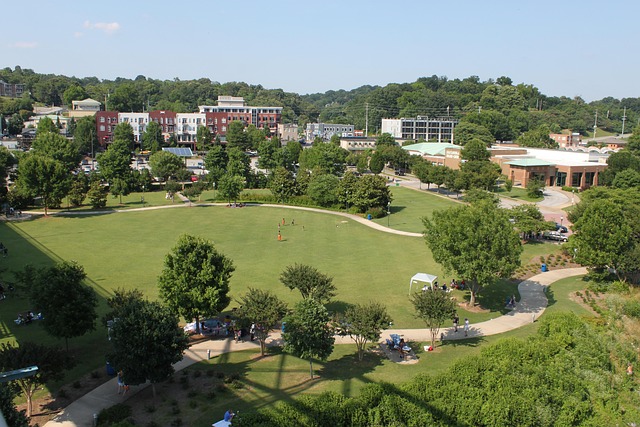
The central location between major cities presents a unique opportunity in real estate, offering both significant benefits and challenges for urban development. One of the key advantages is accessibility; residents enjoy easier commuting to surrounding metropolitan areas, fostering a sense of connectivity and convenience. This proximity can drive economic growth by attracting businesses seeking talent from multiple regions, creating vibrant job markets and diverse communities.
However, challenges arise due to high demand and limited space. Urban centers near major cities often experience skyrocketing property prices and rental rates, making them less accessible for low-to-moderate income residents. Additionally, overcrowding can lead to strain on local infrastructure and services, testing the capacity of public transportation, healthcare, and education systems. Efficient urban planning becomes crucial to mitigate these issues, ensuring a balanced and sustainable environment that leverages the advantages of its strategic location while addressing the associated challenges.