Rural agricultural towns with rich heritage offer a unique blend of historical charm, natural beauty, and tight-knit communities, attracting diverse demographics through real estate opportunities. Heritage preservation is key for sustainable development, with examples like Hudson and Salida showcasing adaptive reuse of historic buildings. Organic farming methods, green spaces, and energy efficiency in real estate development promote biodiversity and attract residents seeking spacious homes and renewable energy sources. Agro-tourism adds economic sustenance, and community engagement ensures agricultural heritage preservation for future generations. These towns serve as models for sustainable living.
In the heart of rural landscapes, quiet agricultural towns hold an undeniable charm and historical significance. These communities, often overlooked by urban development, boast rich heritage and a unique way of life intertwined with the land. However, the global trend towards urbanization presents a challenge: how can these quaint towns sustain their identity while navigating modern demands? Real estate naturally plays a pivotal role in this narrative. This article delves into exploring sustainable strategies for revitalizing agricultural towns, preserving their heritage, and fostering economic growth, ensuring their legacy endures for future generations.
Unveiling the Charms: A Historic Town's Appeal

In the heart of rural landscapes, quiet agricultural towns with rich heritage offer a unique allure that often goes unnoticed by the fast-paced urban dwellers. These hidden gems encapsulate a blend of historical charm, natural beauty, and tight-knit community—a refreshing contrast to the hustle and bustle of modern metropolitan areas. For those seeking a slower pace of life, immersed in tradition, these towns present an irresistible prospect, particularly in the realm of real estate.
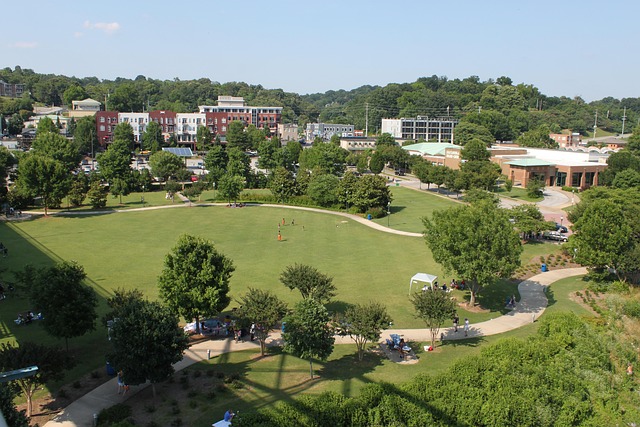
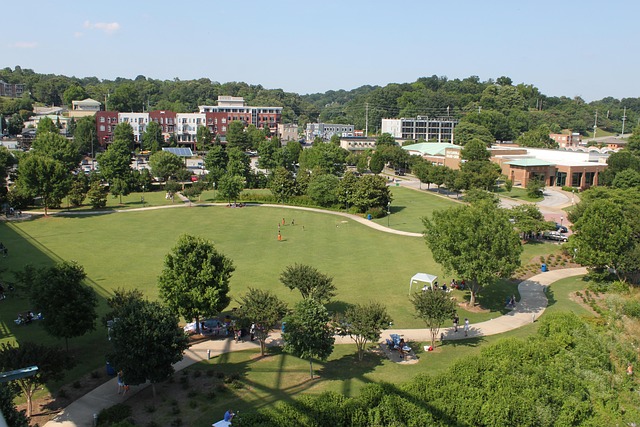
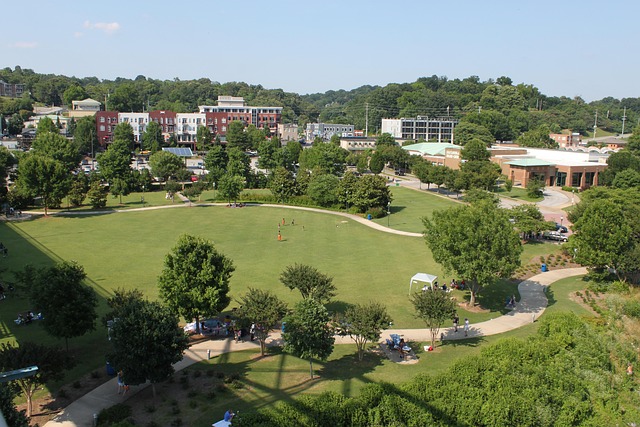
Unveiling the charms of such historic towns requires more than a superficial glance. Architectural wonders, dating back decades or even centuries, line cobblestone streets, narrating stories of bygone eras. Local museums and heritage sites become portals to the past, offering insights into the town’s evolution and cultural diversity. The vibrant yet tranquil atmosphere is further enhanced by lush green spaces, where residents and visitors alike can escape the monotony of daily life, enjoying a sense of peace and connection with nature. This natural setting not only preserves the town’s aesthetic appeal but also contributes to its allure as a sought-after destination for those seeking a healthier, more balanced lifestyle.
Real estate in these historic towns presents a unique opportunity for investors and buyers. Properties often exude character and charm, featuring architectural details that are hard to come by in modern construction. The sense of community is another significant advantage, fostering a strong sense of belonging and security. Additionally, many historic towns have experienced revitalisation efforts, attracting young professionals and families who appreciate the blend of old and new. This demographic shift has led to an increase in local businesses, cultural events, and amenities—all contributing to a vibrant, thriving town that is naturally attractive for real estate investments.
Heritage Preservation: Real Estate and Beyond
In many quiet agricultural towns, heritage preservation is not merely a nostalgic pursuit but a strategic imperative for sustainable development. These communities possess a unique blend of historical architecture, cultural practices, and natural landscapes that can be leveraged to attract diverse investors in real estate. For instance, towns like Hudson, New York, and Salida, Colorado, have seen significant growth by embracing their historic character, with Victorian-era homes and main streets revitalized through thoughtful real estate development. This approach not only enhances property values but also fosters a strong sense of community and tourism, creating a positive feedback loop for local economies.
Expert perspectives from urban planners and historians underscore the importance of preserving cultural heritage in real estate projects. They advocate for adaptive reuse, where historic buildings are converted for modern purposes while retaining their architectural integrity. Such practices can include turning old farms into eco-friendly residential communities or transforming historical warehouses into creative spaces for startups. By integrating these elements seamlessly, towns can attract a diverse range of residents and businesses, stimulating local markets without compromising the town’s essence. Data from the National Trust for Historic Preservation shows that historic districts often experience higher property values and increased tax revenues compared to their non-historic counterparts.
To ensure successful heritage preservation in real estate, it is crucial to involve local stakeholders from the outset. This collaborative approach ensures that development aligns with the community’s vision and respects its cultural nuances. Town hall meetings, workshops, and public consultations can facilitate this dialogue, leading to more meaningful and sustainable projects. Additionally, governments and private developers should explore incentives and grants designed to support heritage conservation, making it a mutually beneficial venture for both the town and investors. By prioritizing real estate that naturally incorporates historic elements, these agricultural towns can thrive while preserving their rich tapestry for future generations.
Sustainable Living: Agriculture Meets Modernity

In many parts of the world, a quiet agricultural town with rich heritage is experiencing a transformation towards sustainable living, seamlessly integrating modern practices with time-honored traditions. These communities are not only preserving their cultural identity but also becoming models for eco-friendly and resilient lifestyles. Agriculture, once the backbone of these towns, is evolving to meet contemporary demands while maintaining its core values. For instance, organic farming methods are gaining traction, reducing reliance on synthetic chemicals and promoting biodiversity. This shift not only benefits local ecosystems but also attracts conscious consumers seeking fresh, locally sourced produce.
Real estate plays a crucial role in this narrative. Development projects are emerging that prioritize green spaces and energy-efficient designs, making agricultural towns attractive places to live and work. Modern amenities and infrastructure are being incorporated without compromising the natural beauty and heritage of these areas. As a result, residents enjoy access to spacious homes, community gardens, and renewable energy sources, fostering a deep connection with their environment. Moreover, the growing interest in agro-tourism adds another layer of sustainability by encouraging visitors to immerse themselves in local agricultural practices and contribute to the economic well-being of these communities.
Experts highlight the importance of community engagement in this sustainable living revolution. By involving residents in decision-making processes and promoting educational initiatives around eco-friendly practices, towns can ensure that their agricultural heritage is preserved and enhanced for future generations. This collaborative approach not only fosters a sense of ownership but also empowers locals to become stewards of their land and resources. As these quiet agricultural towns continue to evolve, they offer valuable insights into how modern life can harmonize with nature, providing a blueprint for sustainable communities worldwide.